 VOXARIA
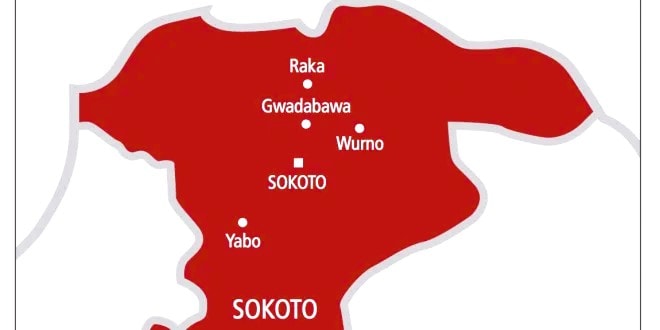
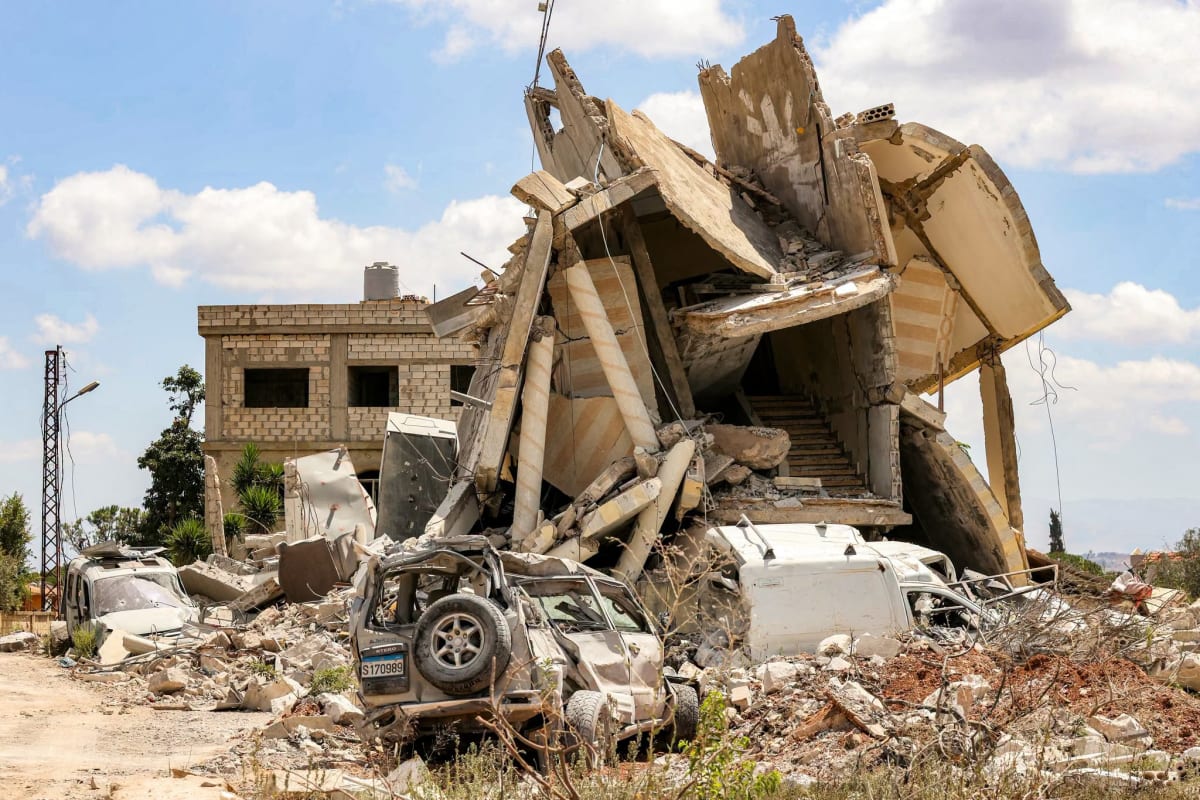
Insecurity has severely disrupted healthcare delivery across Sokoto East, with nearly 40 percent of primary healthcare centres in the region now facing serious operational challenges as a direct result of sustained bandit attacks, stakeholders have warned.
Speaking at a recent health conference themed "Universal Health Coverage in Nigeria: Overcoming Access and Workforce Gaps in the Face of Insecurity," Wamban Isa, Alhaji Nasiru Yahaya-Isa, painted a stark picture of a healthcare system buckling under the combined weight of violence and displacement. He explained that many health facilities, schools, and entire communities across the affected areas have been abandoned altogether, as residents flee to comparatively safer towns such as Sokoto and Isa in search of security.
That mass displacement, he noted, has placed enormous strain on the health services that remain operational, while simultaneously deepening poverty and worsening sanitation conditions in both the areas people are fleeing and the towns absorbing them. He specifically pointed to disruptions in farming and commercial activity as displaced families lose access to their livelihoods, alongside a rise in poor sanitation practices, including increased instances of open defecation in overcrowded host communities. He called on governments and development partners to prioritise healthcare delivery in conflict-affected communities, warning against leaving already vulnerable populations further behind.
The conference, which featured roughly 120 scholarly papers and was chaired by Prof. B.B. Shehu, also surfaced longstanding structural weaknesses in Sokoto's health workforce distribution. Sokoto State Commissioner for Health, Dr Faruk Abubakar-Wurno, acknowledged a significant imbalance between urban and rural facilities, revealing that some urban primary healthcare centres operate with as many as 80 health workers, while certain rural facilities are staffed by just one. In response, he said the state government has introduced a two-year compulsory service policy requiring health professionals trained under state scholarships to serve in underserved areas, an attempt to narrow the persistent rural-urban staffing gap.
Speaking more broadly on national health financing, stakeholders lamented that Nigeria has consistently failed to meet the 15 percent health budget allocation target set out under the 2001 Abuja Declaration, despite steadily rising healthcare demands nationwide. Kurfi Abubakar, Director of Planning, Research and Statistics at the National Health Insurance Authority (NHIA), urged all tiers of government to make better use of local government financial autonomy to strengthen primary healthcare and expand health insurance coverage. He further called for closer collaboration between federal and state governments, greater use of data in shaping health policy, stronger accountability mechanisms, and more strategic use of limited resources to maximise impact.
Sokoto's PHC challenges are not new, but the added dimension of insecurity has clearly intensified an already fragile system. The state is home to roughly 800 primary healthcare centres spread across its 23 local government areas, many of which have long struggled with dilapidated infrastructure, inconsistent funding, and chronic staff shortages — issues that insecurity has now compounded by cutting off access to entire communities altogether. For residents in the hardest-hit parts of Sokoto East, stakeholders warn, the combination of violence and a weakened health system is translating directly into delayed treatment, worsening maternal and child health outcomes, and a healthcare gap that shows little sign of narrowing without urgent, coordinated intervention.