 VOXARIA
Article
Caracas Aftershock Disrupts Urgent Rescue Efforts in Venezuela

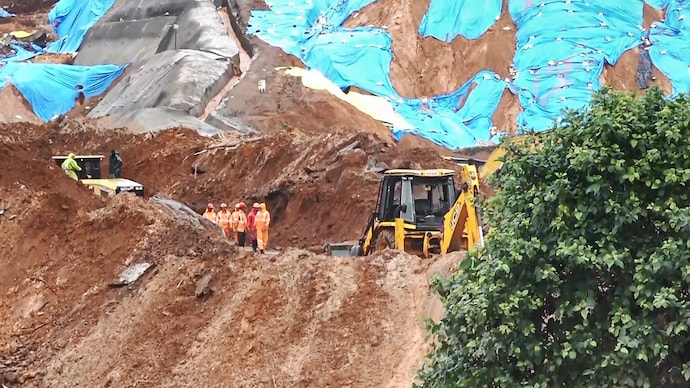
Rescue efforts in Venezuela have been complicated by a significant 4.6-magnitude aftershock that rattled Caracas and the coastal state of La Guaira early Monday morning, June 29, 2026. The tremor struck at approximately 7:00 a.m. local time, centered about 27 kilometers north of Caraballeda, further stressing infrastructure already devastated by the powerful twin earthquakes that hit the region five days earlier.
While authorities report no immediate additional damage from this specific aftershock, the event caused widespread alarm, sending residents into the streets and forcing the temporary suspension of the Caracas Metro for safety inspections. The tremor served as a jarring reminder of the volatility in the region, where rescue crews are working around the clock in what experts define as the critical window for finding survivors.
Despite the mounting challenges, search operations continue with a sense of urgent determination. On Monday, Venezuelan officials announced a significant victory in the rescue effort: a 21-year-old man, identified as Aaron Levi Cantillo Vargas, was pulled alive from the rubble in Caraballeda after being trapped for 106 hours. His extraction was the result of a multi-national collaboration involving specialized teams from Venezuela, Mexico, and El Salvador.
The humanitarian situation remains dire five days after the initial June 24 disaster. Official reports indicate that the death toll has reached at least 1,450 people, with thousands more injured and over 12,000 displaced. Hundreds of buildings have been leveled or severely damaged, and tens of thousands remain unaccounted for.
International aid has mobilized on a massive scale, with 30 countries contributing more than 3,600 rescue personnel, 1,000 tons of supplies, and specialized canine units to the affected zones. The U.S. government has deployed over 300 first responders and military support to help repair critical port infrastructure in La Guaira, which is essential for the continued delivery of emergency relief by sea.
As the search enters this secondary phase, local and international organizations, including Save the Children and World Central Kitchen, are working to provide shelter, medical care, and nutrition to the displaced. For the families of those still missing, the aftershocks and the passage of time create a daily struggle between fading hope and the reality of the ongoing disaster.