 VOXARIA
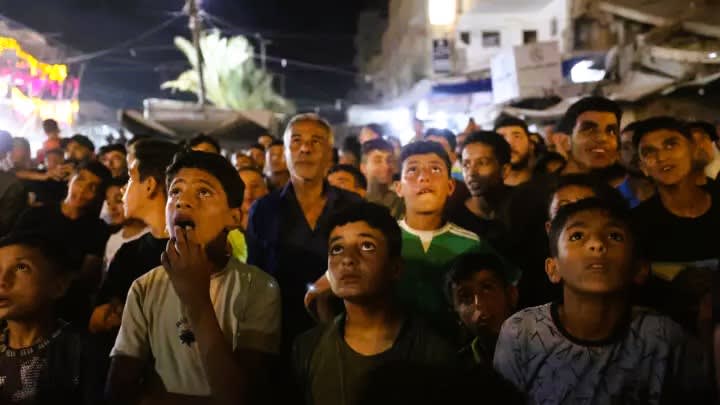
.In the middle of the 2026 FIFA World Cup, while millions of fans in stadiums across North America were cheering their teams on with flags, face paint, and refreshments, a different kind of vigil was taking place thousands of miles away. In the Gaza Strip, displaced families, huddled in makeshift shelters and tents, were gathering around battery-powered screens and flickering projections set up amidst the pulverized concrete of their former neighborhoods.
For the people of Gaza, the tournament has become more than just a global sporting event; it has served as a rare, brief window of normalcy—a testament to the enduring power of the "beautiful game" to offer solace, however fleeting, even in the shadow of profound devastation.
The Contrast of a Global Spectacle
The 2026 World Cup has been a tournament of record-breaking viewership and high-octane drama. From the opening matches in June to the intense knockout stages in early July, the world’s focus has been fixed on cities like Mexico City, Atlanta, and Vancouver. Yet, for those living in the Sheikh Radwan neighborhood of Gaza City, the "stadium" is an open-air expanse of jagged rebar and collapsed brick.
When the Round of 16 match between Egypt and Argentina took place on July 7, the disparity between the global experience and the local reality could not have been more jarring. While the Mercedes-Benz Stadium in Atlanta vibrated with the energy of thousands, families in Gaza sat on the very remnants of their homes to watch the same game on a screen hoisted against a pile of debris. These scenes, captured by photojournalists, were not merely a backdrop for the war; they were a profound statement on the human need for connection through sport.
Football as a Language of Resilience
The destruction of nearly 300 sports facilities in the Gaza Strip since the onset of the conflict has effectively erased the physical infrastructure of football in the region. There are no manicured pitches, no clubhouses, and no official training academies left to foster the next generation of talent. However, as residents frequently point out, the infrastructure of the spirit remains intact.
For many displaced Palestinians, football acts as a communal glue. In a landscape defined by isolation and the constant, unnerving buzz of drones overhead, the act of watching a match together serves to synchronize the heartbeat of a community. It allows people to temporarily set aside the anxiety of displacement and the struggle for basic resources. Whether it is an elderly man explaining the intricacies of a defensive formation to his grandson, or a group of teenagers debating the merits of a referee’s decision, these moments of discourse provide a sanctuary for the mind.
The Egypt Connection: A Symbol of Shared Identity
The high-profile match between Egypt and Argentina carried particular weight for Gazan viewers. Egypt, a regional powerhouse, has long held a cultural and emotional connection with Palestinians. When the Egyptian team took a 2-0 lead against the defending champions, the cheers erupting from the rubble were palpable.
Even as the match ended in a heart-wrenching 3-2 defeat for Egypt, the communal experience of the game remained the focal point. Journalists on the ground reported that the intense engagement with the match was a desperate, necessary diversion. It provided a common language—one that isn't spoken in the terminology of politics or survival, but in the universal dialect of sport.
The Road Ahead
As the World Cup moves into its final stages—the quarter-finals in Boston, Los Angeles, and Miami—the eyes of the world will remain on the pitch. But for those in Gaza, the tournament serves as a reminder that even when the world seems to have fallen into ruin, the human desire to come together, to watch, and to hope, remains undiminished.