 VOXARIA
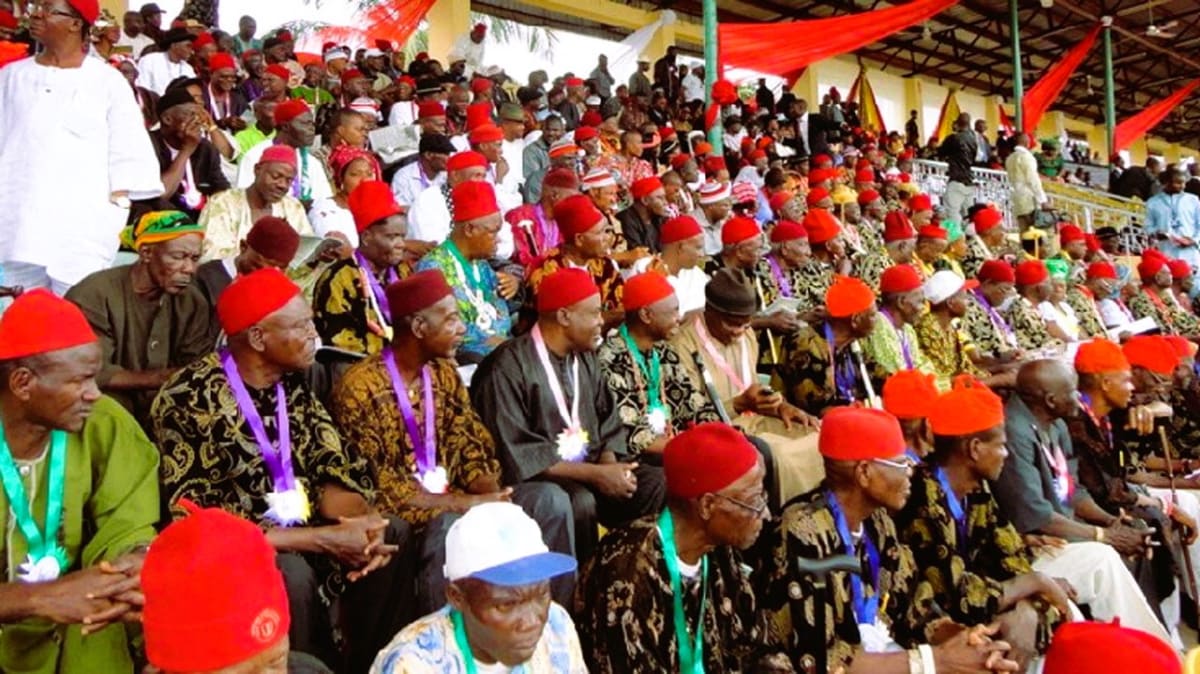
Recent discussions surrounding the state of Nigerian democracy have intensified, with a coalition known as the Igbo Leaders of Thought issuing a stern warning regarding the future of the nation's political landscape. In a communique released this weekend, the group cautioned against efforts to weaken the political opposition, asserting that a robust multi-party system is essential for preventing the slide into authoritarianism.
Protecting the Democratic Framework
The group, consisting of prominent elders, academics, and political figures, argued that the strength of Nigeria’s democracy depends on the ability of the judiciary to act as an impartial arbiter.
- Safeguarding the Judiciary: The leaders urged the judiciary to resist executive influence, particularly in election petition tribunals and constitutional matters. They emphasized that judicial integrity is the final bulwark against the erosion of civil liberties and the misuse of state power.
- The Role of Opposition: The statement highlighted that a "one-party mentality" poses a severe threat to national stability. By suppressing or undermining opposition parties, the group argued, the governing structure risks alienating large segments of the population, thereby stifling the necessary feedback loop that informs better governance.
Concerns Over Political Intolerance
The Igbo Leaders of Thought expressed alarm at the growing trend of using state agencies to harass political rivals. They called for a national dialogue to address the perceived shrinking of democratic space, noting that the health of the republic is directly linked to the tolerance shown toward dissenting voices.
- Call to Action: The group called on the National Assembly to revisit electoral reforms that would ensure true independence for the Independent National Electoral Commission (INEC) and strengthen the electoral process against manipulation.
- National Unity: While the group emphasized that their primary concern is the integrity of the Nigerian state, they also warned that the current political climate is contributing to feelings of marginalization among citizens in the Southeast and other regions, potentially fueling instability.
The Wider Political Landscape
The position taken by the Igbo Leaders of Thought mirrors growing debates within Nigerian civil society about the centralization of power. While the current administration has maintained that its policies are designed to restore fiscal discipline and national security, critics—including this coalition—argue that these policies have often come at the expense of political pluralism.
As the nation moves toward future electoral cycles, the call from these leaders is likely to intensify pressure on the judiciary to demonstrate its independence, serving as a critical indicator of the health of Nigeria’s democracy heading into the second half of 2026.