 VOXARIA
News
Nigerian Security Forces Lost 282 Rifles to Armed Groups, SBM Intel Reveals
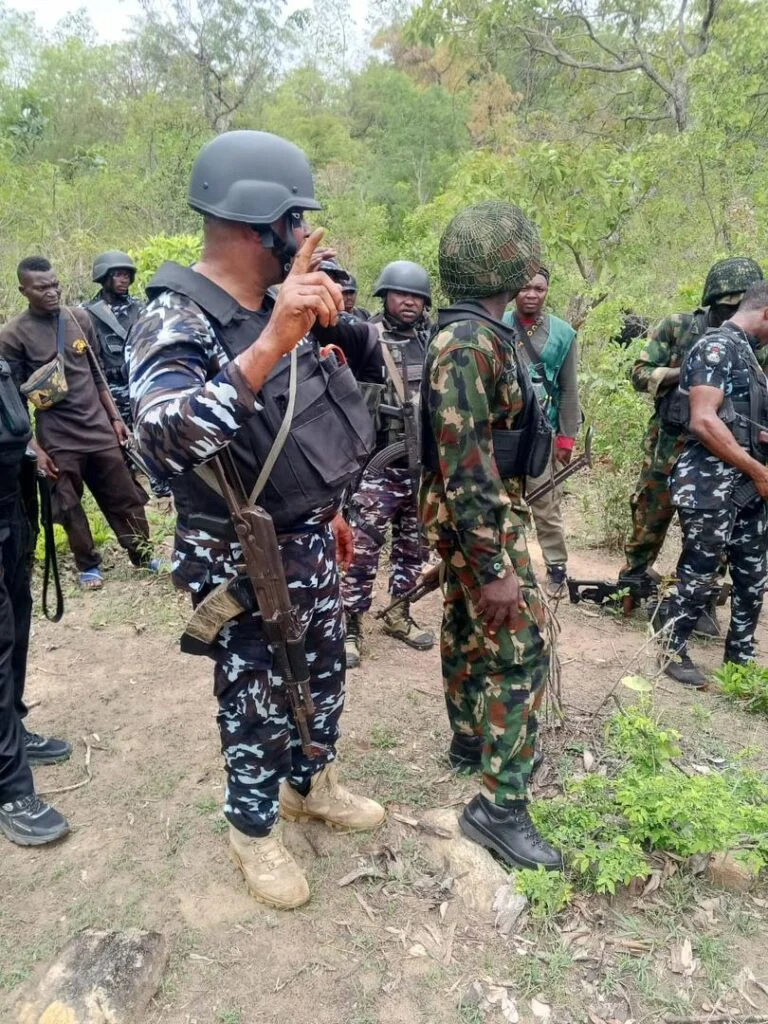
ABUJA, Nigeria — A newly released report by intelligence and research firm SBM Intel has revealed that Nigerian security forces lost a total of 282 service rifles to terrorists, bandits, and other non-state armed actors over a five-year period spanning 2021 to mid-2026.
The report, titled *Nigeria's Stolen Rifles: Who Loses, Who Takes*, detailed that the firearms were carted away during 94 separate violent incidents across the federation. While the findings underscore a worrisome vulnerability within state security agencies, data regarding arms recoveries suggests that the country's illegal weapons problem stretches far beyond weapons stolen from official inventories.
Police Bear the Brunt of Strategic Losses
According to the statistical breakdown provided in the SBM Intel Violence Tracker, the Nigeria Police Force accounted for the vast majority of the institutional losses, losing 201 rifles, which represents 71.3 percent of the total stolen weapons.
The Nigerian military suffered the second-highest casualty in terms of hardware, losing 45 rifles (16 percent), while unspecified security agencies accounted for 15 stolen rifles (5.3 percent). Other paramilitary groups—including the Nigeria Security and Civil Defence Corps and the Nigeria Customs Service—collectively lost 12 rifles, while localized community vigilantes lost nine firearms to attackers.
The report identified "unknown gunmen" operating primarily across southern regions as the single largest perpetrator category, accounting for 168 stolen rifles or 59.6 percent of the total. Bandits operating in the northwest and north-central zones were responsible for the theft of 58 rifles (20.6 percent), while the Islamic State West Africa Province accounted for 41 rifles (14.5 percent). The Indigenous People of Biafra was linked to the theft of nine rifles, kidnappers stole four, and Boko Haram accounted for two.
Regional Hotspots and Accelerated Theft Rates
Geographically, Delta State recorded the highest vulnerability nationwide, with 67 service rifles stolen from security agents within its territory. Abia State closely followed with 51 rifles, while Borno State recorded 40, Zamfara State saw 20, and Katsina State recorded 11.
Remarkably, Delta and Abia states alone accounted for 42 percent of all firearms stolen from state actors across the federation. The intelligence firm also sounded an alarm over a noticeable spike in the frequency of these attacks, noting that the pace of tactical weapons theft accelerated significantly during the first half of 2026.
Recoveries Highlight Broader Illicit Arms Market
Despite the worrying loss of service weapons, SBM Intel highlighted a significant counter-trend in operational data. During the exact same reporting window, Nigerian security agencies successfully intercepted and recovered 1,442 rifles from criminal networks nationwide.
Security analysts note that because the volume of recovered firearms drastically dwarfs the 282 rifles stolen from state actors, it serves as an indisputable indicator that Nigeria’s systemic challenge with illegal weapons proliferation is heavily driven by international smuggling, porous borders, and thriving illicit black markets, rather than a singular dependency on raiding official state armories.