 VOXARIA
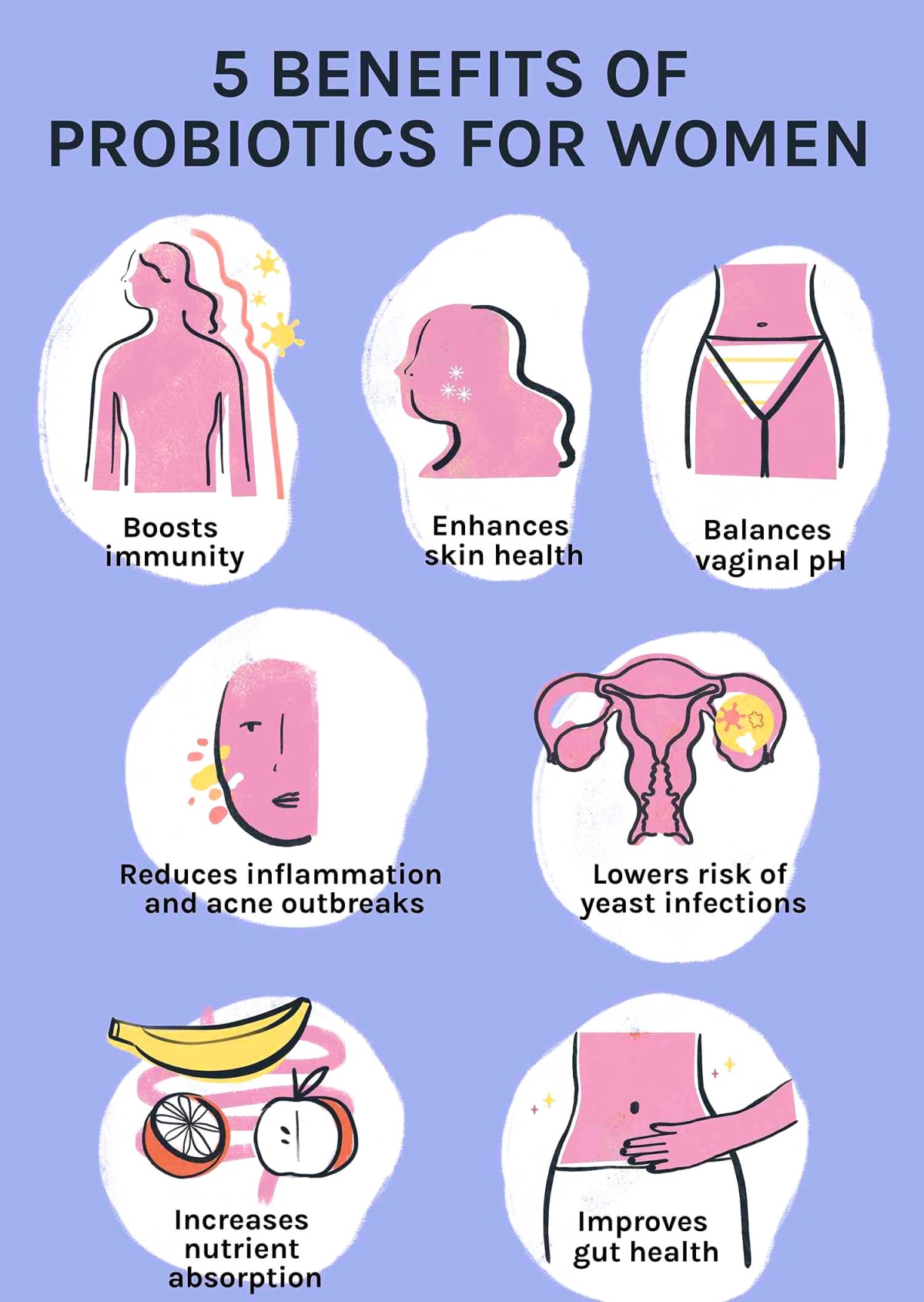
Most people think of probiotics purely as a "gut health" thing. But for women, their role goes much further — touching vaginal health, hormone balance, immunity, and even mental wellbeing. Here's what the science actually says, and why probiotics deserve a permanent place in most women's health routines.
What Probiotics Actually Do
Probiotics are live microorganisms — mostly beneficial bacteria like Lactobacillus and Bifidobacterium — that help maintain a healthy balance of your body's natural microbiome. They work by crowding out harmful bacteria, supporting immune function, and producing compounds that keep your gut and other systems functioning well.
Why They're Especially Important for Women
1. Vaginal health This is the biggest difference between how probiotics function for women versus men. A healthy vaginal microbiome is dominated by Lactobacillus strains, which help maintain the right pH balance and protect against infections like bacterial vaginosis and yeast infections. Research has also linked healthy Lactobacillus levels to a lower risk of certain gynecological complications, including reduced risk factors associated with cervical health.
2. Urinary tract health Women are significantly more prone to UTIs than men, largely due to anatomy. Certain probiotic strains have shown promise both in helping prevent recurrent UTIs and as a complementary approach alongside standard treatment.
3. Hormonal life stages
- During menstruation and PCOS: Some research points to probiotics helping support hormonal balance and easing menstrual-related symptoms.
- During pregnancy: Certain strains may help lower the risk of complications like gestational diabetes, though this should always be discussed with an OB-GYN before supplementing.
- During menopause: Emerging research suggests specific strains may support bone density (via improved calcium absorption) and help manage some menopause-related symptoms.
4. Recovery after antibiotics Antibiotics don't discriminate — they wipe out harmful and beneficial bacteria alike, which is why so many women experience bloating, digestive upset, or yeast infections during or after a course of antibiotics. Taking a probiotic during and shortly after antibiotic treatment can help restore balance faster.
5. Immune and mental health support Since a large portion of the immune system is closely tied to gut bacteria, healthy probiotic levels support broader immune resilience — and a growing body of research is exploring the gut-brain connection, with some studies linking gut health to mood and stress regulation.
What Boosts Your Body's Probiotic Levels
You don't need to rely on supplements alone — several everyday habits support a healthy microbiome naturally:
- Fermented foods — yogurt, kefir, kimchi, sauerkraut, and traditional fermented options are natural probiotic sources
- Prebiotic fiber — foods like garlic, onions, bananas, and oats feed the good bacteria already in your gut, helping them thrive
- Limiting excess sugar and processed food — these tend to feed harmful bacteria and disrupt microbiome balance
- Managing stress — chronic stress has been shown to negatively affect gut bacteria diversity
- Getting enough sleep — poor sleep is linked to reduced microbiome diversity over time
- Being cautious with unnecessary antibiotic use — only take antibiotics when genuinely needed, since overuse disrupts your microbiome more than most people realize
The Bottom Line
Probiotics aren't just a wellness trend — for women, they play a distinct, well-documented role across multiple systems in the body, from vaginal and urinary health to hormonal life stages most women will go through at some point. Supporting your microbiome through diet and lifestyle, and considering a targeted probiotic when appropriate, is one of the more evidence-backed steps you can take for long-term health.
This article is for general health awareness and does not replace professional medical advice. Talk to a doctor or gynecologist about which probiotic strains, if any, are right for your specific health needs — especially during pregnancy or when managing a health condition.