 VOXARIA
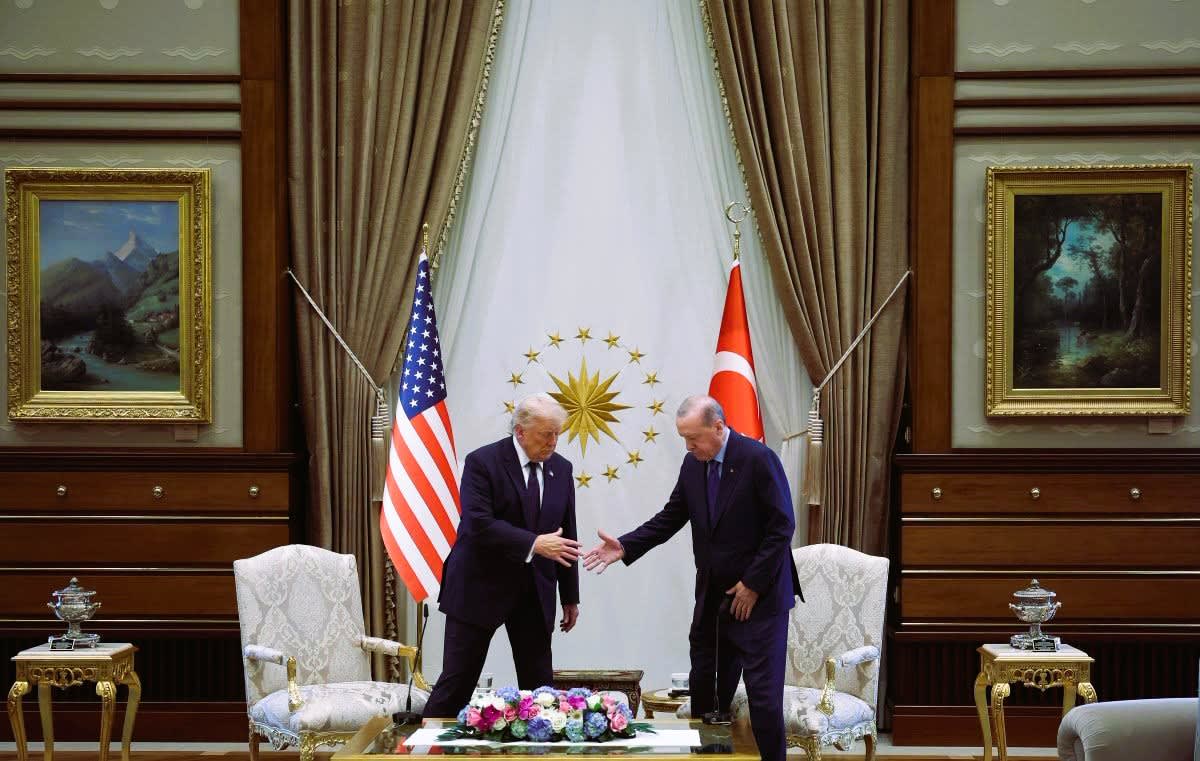
President Donald Trump opened the 2026 NATO summit in Ankara, Turkiye, on a combative note Tuesday, telling reporters he was "very disappointed with NATO" and singling out several longtime European allies for what he described as insufficient support and defense spending. The remarks set a tense tone for the two-day gathering of the 32-member alliance, which is expected to focus on defense budgets, the war in Ukraine, and simmering disputes over Greenland and Iran.
A Blunt Opening Message
Speaking alongside Turkish President Recep Tayyip Erdogan during a joint news conference, Trump made clear that his attendance at the summit was far from guaranteed. He suggested that had the event not been hosted by Turkiye, a country he praised for its leadership under Erdogan, he might have skipped it entirely. Trump also revisited grievances over the recent U.S.-Israel military action against Iran, claiming that several NATO members failed to back Washington during that episode. He named Italy, Germany, and France specifically, saying they had "turned us down" when the U.S. sought support, and questioned why the U.S. continues spending heavily on an alliance he feels doesn't reciprocate.
By contrast, Trump was notably warmer toward his host. He praised what he called strong "chemistry" between Washington and Ankara, announced plans to lift sanctions on Turkiye, and said he would soon decide whether to allow the country back into the F-35 fighter jet program, a partnership the first Trump administration suspended in 2019 over Turkiye's purchase of a Russian missile defense system.
Defense Spending Remains the Core Fight
Pressure over how much European allies spend on their militaries has been a defining feature of Trump's approach to NATO since his first term, and it remains front and center this year. At last year's summit in The Hague, member states agreed to raise defense spending targets to 5% of GDP by 2035, up from the previous 2% benchmark, largely due to pressure from Trump. NATO Secretary General Mark Rutte used a defense industry forum on the eve of this year's summit to press allies for what he called "clear, concrete and credible plans," while pointing to growing threats from Russia, China, North Korea, and Iran as reasons the alliance can't afford to slow down.
Still, NATO's own data shows some member countries are still falling short of even the older 2% spending target, giving Trump's criticism some grounding even as it strains relationships within the alliance. One regional analyst told Al Jazeera that Trump's aggressive posture is, in effect, "waking up Europeans" to the need for greater investment in their own defense capabilities, even if the approach is unpopular with some leaders.
Greenland Tensions Resurface
Trump also reignited a long-running dispute over Greenland, again asserting that the Danish autonomous territory "should be controlled by the United States, not by Denmark." Danish Prime Minister Mette Frederiksen pushed back firmly, saying she expects NATO allies to respect Denmark's sovereignty and stating plainly that Greenland is not for sale. Greenland's own foreign minister, Mute Egede, added on social media that decisions about the territory's future belong to its people, as they always have. Despite Trump's comments, officials say Greenland, the Arctic, and the High North are not formally on the summit's agenda.
Ukraine Still Looms Large
Even amid the friction, defense officials expect NATO to reaffirm military support for Ukraine as the alliance's main session unfolds Wednesday. Ukrainian President Volodymyr Zelenskyy, who is not a NATO member but was invited to the summit, is pushing allies to strengthen air defense assistance following a deadly escalation in Russian strikes on Kyiv. Zelenskyy is also scheduled for a separate bilateral meeting with Trump on the sidelines of the summit.
What Comes Next
With the first day dominated by pointed remarks and old disputes resurfacing, attention now turns to Wednesday's main session, where NATO leaders are expected to hash out concrete commitments on defense spending and continued support for Ukraine. Given Trump's tone on day one, allies will be watching closely to see whether the summit can produce unified messaging or whether the tensions on display in Ankara carry through to the alliance's formal declarations.