 VOXARIA
Security
Are we in for a summer of serial heatwaves?
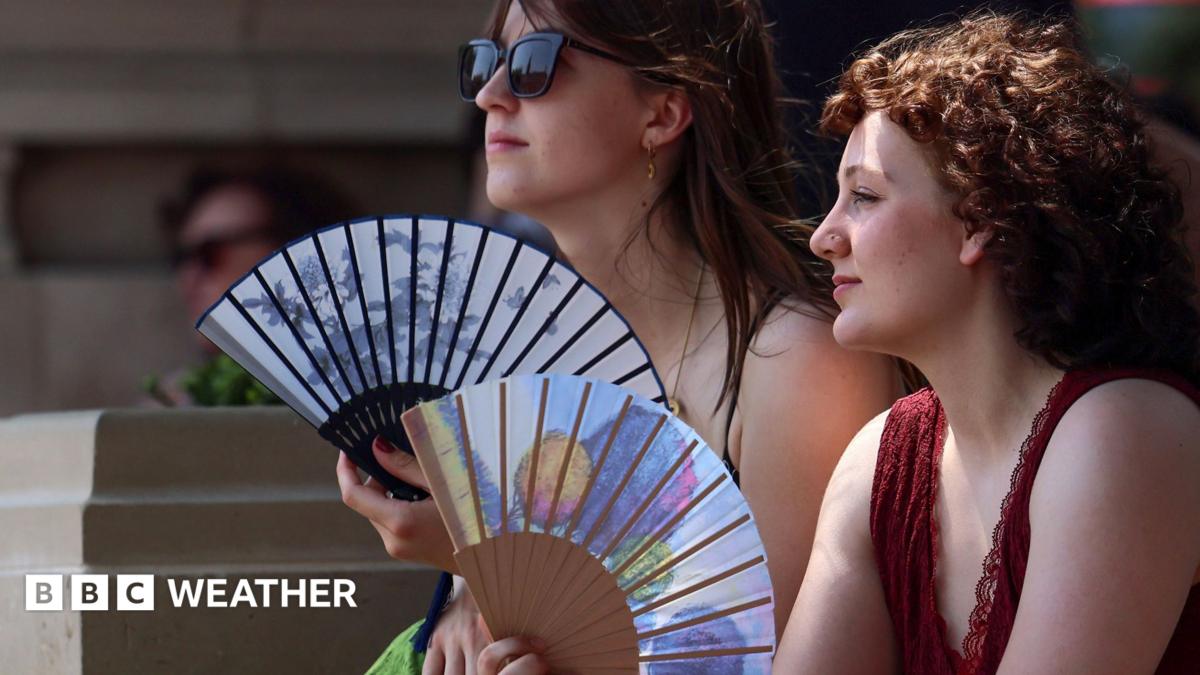
Global climate data for 2026 confirms that we are entering a period of persistent, record-breaking temperatures, significantly increasing the likelihood of serial heatwaves across many regions.
The World Meteorological Organization and the UK Met Office have reported that global temperatures for the next five years are expected to remain at or near record levels. There is a 91 percent probability that average global temperatures will temporarily exceed the critical 1.5 degree Celsius threshold above pre-industrial levels at least once before 2030, a trend driven by both ongoing human-induced climate change and shifting natural climate patterns.
Regarding the outlook for Nigeria, the Nigerian Meteorological Agency 2026 Seasonal Climate Prediction explicitly warns of generally warmer-than-normal temperatures across the country throughout the year. While Nigeria's climate will be influenced by a neutral phase of the El Nino-Southern Oscillation, the agency has specifically cautioned about:
Prolonged dry spells, including risks of dry periods exceeding 21 days during the June to August window in several northern and central states.
A severe and prolonged Little Dry Season, or August Break, predicted for parts of Lagos, Ogun, Ekiti, and Oyo States, expected to last between 28 and 40 days.
Internationally, the summer of 2026 has already seen record-shattering heat events. Since late May, Europe has been gripped by severe and persistent heatwaves, with countries like France, Germany, Spain, and the UK recording their highest-ever spring and early summer temperatures. These events are increasingly characterized by their duration, often lasting five to six days at a stretch, and their early onset, which experts attribute to the fact that Europe is warming at roughly twice the global average rate.
Across the globe, from Japan, where weather agencies have adopted the new term kokushobi, meaning cruelly hot, to describe days exceeding 40 degrees Celsius, to the Amazon, authorities are bracing for the health, energy, and infrastructure impacts of a summer where extreme heat is becoming the new baseline rather than an anomaly.