 VOXARIA
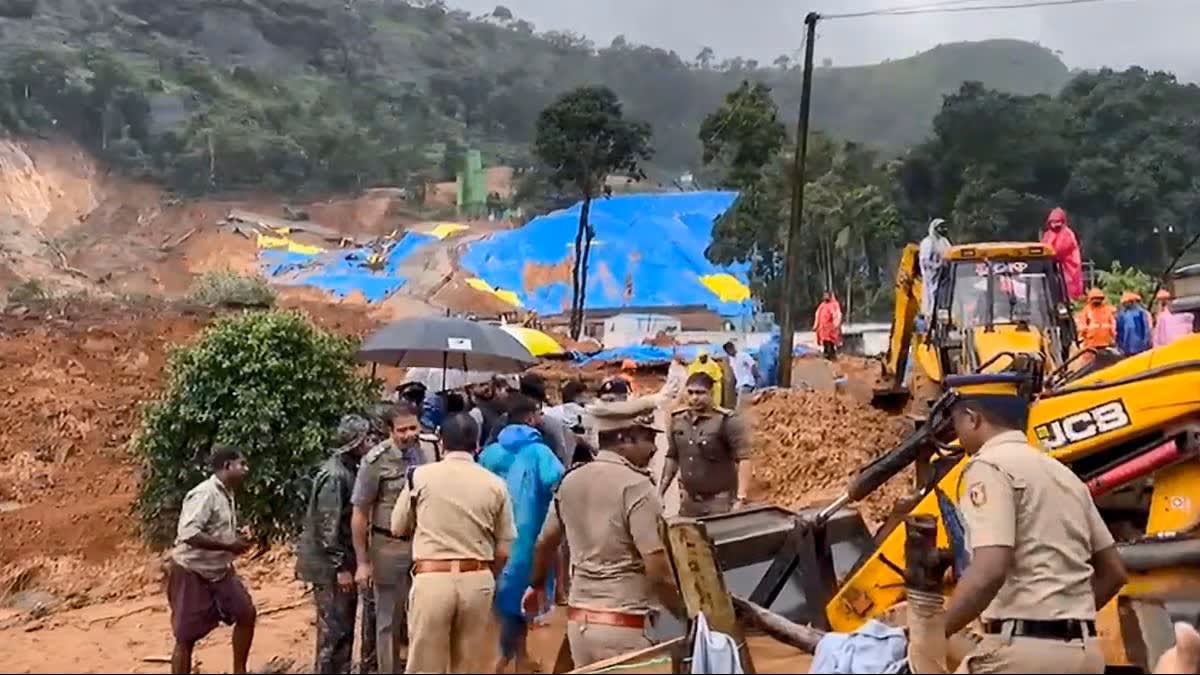
A massive landslide tore through a tunnel construction site in Kerala's Wayanad district on Tuesday, July 7, 2026, killing several people and leaving multiple workers missing after days of relentless monsoon rainfall triggered the collapse. The disaster struck at Kalladi, near the Meenakshi Bridge, where crews have been building the Anakkampoyil-Kalladi-Meppadi twin tunnel project, a road link intended to improve connectivity between Malappuram and Wayanad.
What Happened
According to officials, a wall of mud and debris came crashing down the hillside like an avalanche, burying vehicles, equipment, and makeshift workstations at the site. Eyewitnesses described a scene of chaos as the mudflow swept across the road, crushed heavy machinery, and destroyed a nearby house and mosque before finally coming to a stop. One local resident who reached the site shortly after the collapse said the ground "kept coming like a river" and that people had no time to escape.
Early reports put the death toll at two to three people, with a further six to seven workers unaccounted for and at least eight others injured. The injured were rushed to WIMS Hospital in nearby Meppadi for treatment. Officials said those still missing are believed to include engineers and security personnel who were on site at the time, rather than construction laborers.
Rescue efforts have involved the National Disaster Response Force (NDRF), local fire and police units, and volunteers from the surrounding community, who were among the first responders before official teams arrived. Search operations were ongoing as of the latest reports, though officials cautioned that the ground remained unstable, complicating efforts to locate anyone still buried beneath the debris.
Heavy Rainfall Set the Stage
The Kerala State Disaster Management Authority (KSDMA) reported that Wayanad received around 265 mm of rainfall in the 24 hours leading up to the landslide, the highest single-day total recorded in the district so far this monsoon season. A red alert had already been issued for the region due to the intensity of the rain before the collapse occurred.
A Disaster Officials Say Was Preventable
What has drawn the most scrutiny, however, is the claim from Kerala's government that this was not simply a natural disaster. State minister T. Siddique told reporters the landslide was "man-made," caused by the unscientific dumping of soil excavated during the tunnel-boring work. Officials said the excavated earth had been piled up on one side of the project site rather than properly cleared or disposed of, and that heavy rain ultimately washed the loose material downhill, triggering the collapse.
District authorities say they had flagged the risk well in advance. Kerala Public Works Minister P.K. Basheer said the district collector had ordered the removal of the excavated soil as early as June 20, but that the contractor, Konkan Railway Corporation Limited (KRCL), which is executing the tunnel project, failed to comply. A subsequent review meeting on June 25 reportedly saw the Public Works Department caution the company again about the danger of a landslide during monsoon season and urge preventive action. Those warnings, officials say, went unheeded.
Kerala Chief Minister V.D. Satheesan has convened an emergency meeting to review the disaster response, and two senior ministers, Agriculture Minister T. Siddique and Revenue Minister A.P. Anil Kumar, have been dispatched to Wayanad to personally oversee rescue and relief operations. The Chief Minister also pushed back on suggestions that a delayed or inadequate weather alert contributed to the tragedy, placing the blame instead on the excavation and soil-dumping practices at the site.
Painful Echoes of 2024
The location of Tuesday's landslide adds another layer of grief for the community: the site sits close to Mundakkai, one of the areas devastated by Wayanad's catastrophic landslides in 2024, which killed hundreds of people and remain one of the deadliest disasters in the state's recent history. For residents living near the tunnel project, the latest collapse has revived painful memories of that earlier tragedy and renewed anger over what many see as inadequate oversight of construction activity in a landslide-prone region.
As of the most recent updates, rescue operations remain active, and authorities have not ruled out the possibility that the final casualty figures could rise once search teams are able to safely clear the unstable debris field. The state government has indicated that a formal investigation into the causes of the landslide, and any responsibility on the part of the construction company, is expected to follow.