 VOXARIA
Security
Escalating border violence leaves Afghan families in mourning

The precarious security situation along the Afghanistan-Pakistan border has taken a devastating turn, with Afghan officials reporting that a series of overnight airstrikes by Pakistani forces has left at least 36 civilians dead and over 160 wounded. The strikes, which targeted the provinces of Paktia, Paktika, and Kunar, mark the latest escalation in a cycle of cross-border violence that has persisted throughout the year.
The raids followed a deadly attack in Karachi, Pakistan, where militants stormed the regional headquarters of the paramilitary Pakistan Rangers, killing three soldiers. Pakistani Information Minister Attaullah Tarar stated that the subsequent military operation was an intelligence-based response intended to dismantle hideouts of the Tehreek-e-Taliban Pakistan (TTP) and allied groups, which Islamabad claims are utilizing Afghan territory to launch assaults.
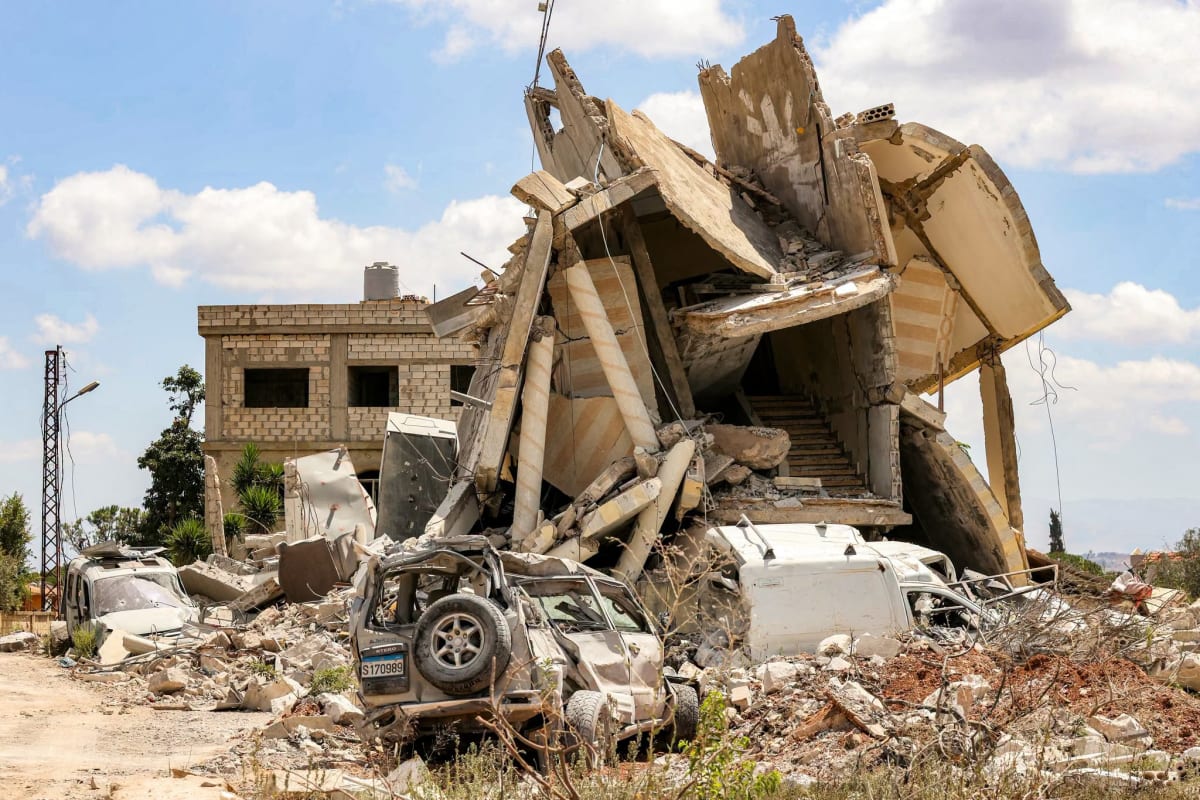
For the residents of these border provinces, the geopolitical conflict has manifested in heartbreaking personal loss. In the village of Mandikhil in Paktia, what was intended to be a peaceful homecoming for families returning from abroad ended in catastrophe. Witnesses describe a harrowing scene where a second strike hit the area shortly after the initial bombing, targeting residents who had gathered to search the rubble for survivors.
The humanitarian cost of this ongoing friction is mounting. The border, which has been the site of intermittent clashes since February, remains a flashpoint for regional instability. Despite various international mediation efforts, including attempts by neighboring powers to broker a lasting ceasefire, the two nations remain locked in a tense standoff characterized by retaliatory strikes and competing narratives.
While the Pakistani government maintains that its actions are necessary to protect its citizens from persistent militancy, the Afghan Taliban administration has decried the operations as a blatant violation of sovereignty and an attack on innocent civilians. As communities in eastern Afghanistan grapple with the aftermath, local elders and families are once again faced with the grim reality of displacement, with many residents abandoning their homes to seek safety in open fields, caught in the crossfire of a war that shows no immediate signs of abating.
The situation underscores a broader, deepening crisis in the region, where the lack of a sustainable political framework has left civilians to bear the brunt of an escalating security dilemma. As both sides trade accusations and further military activity is reported, the path to regional stability appears increasingly obstructed by the weight of unresolved grievances and the cycle of reactive violence.
---