 VOXARIA
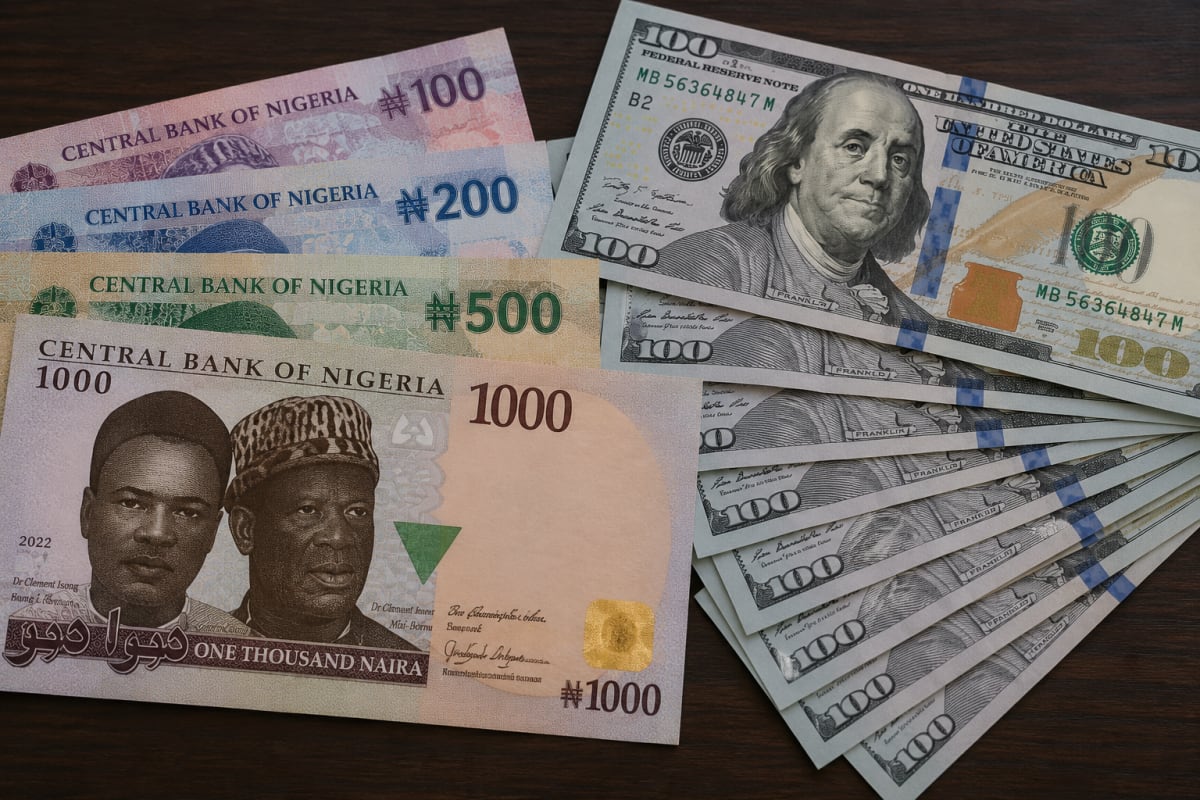
The Nigerian naira held a relatively stable position against the United States dollar as trading opened on Monday, July 27, 2026, across both the official foreign exchange market and the parallel, or "black," market.
According to the latest data from the Central Bank of Nigeria (CBN), the official Nigerian Foreign Exchange Market (NFEM) closed at ₦1,362.09 to the dollar during its most recent trading session on Friday, July 24. Within that session, the market recorded an intraday high of ₦1,365.00/$1, a low of ₦1,359.00/$1, and settled at a closing rate of ₦1,361.00/$1 — figures that point to a fairly narrow trading band and limited volatility heading into the new week.
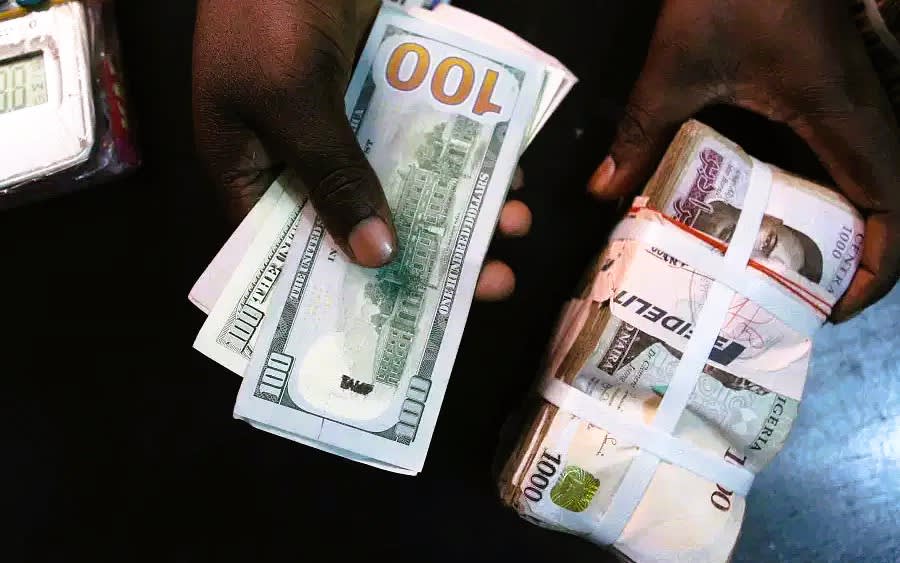
In the parallel market, where currency dealers set rates based on informal supply and demand rather than official CBN benchmarks, the dollar was changing hands at approximately ₦1,350 on the buy side and around ₦1,375 on the sell side as of Monday morning. The relatively modest spread between the official and parallel rates continues a broader trend of convergence between Nigeria's formal and informal currency markets — a marked departure from the far wider gaps that characterised the exchange rate environment in previous years.
Independent market trackers have offered a broadly consistent picture. Data compiled over the preceding week showed the dollar fluctuating between a high of roughly ₦1,381 and a low of around ₦1,369, with the sharpest single-day movement — a decline of just over half a percent — recorded on July 24. Global currency platforms similarly placed the mid-market USD/NGN rate in the mid-₦1,300s range as of the same period, reinforcing that the naira has largely traded within a stable, well-defined band over the past several sessions.
The relative calm in the currency markets comes against a broader economic backdrop that includes continued pressure from fuel importers' dollar demand, alongside separate developments such as a recent U.S. decision to impose additional tariffs on select Nigerian exports. Analysts have also pointed to sustained foreign exchange demand from importers and corporate users as an ongoing factor to watch, even as the CBN continues to publish its volume-weighted average rate as the country's official exchange rate benchmark.
As always, actual rates for individual transactions may vary depending on the specific location, transaction size, and currency dealer involved, and both markets remain subject to intraday fluctuations driven by shifting liquidity conditions and demand patterns throughout the trading day.