 VOXARIA
If you've checked the exchange rate more than once this month and gotten confused by conflicting headlines — "naira gains" one week, "naira slips" the next — you're not imagining things. The currency has genuinely been moving in different directions against different benchmarks, and understanding why requires looking past any single day's number.
The Pound Story: A Genuine Win
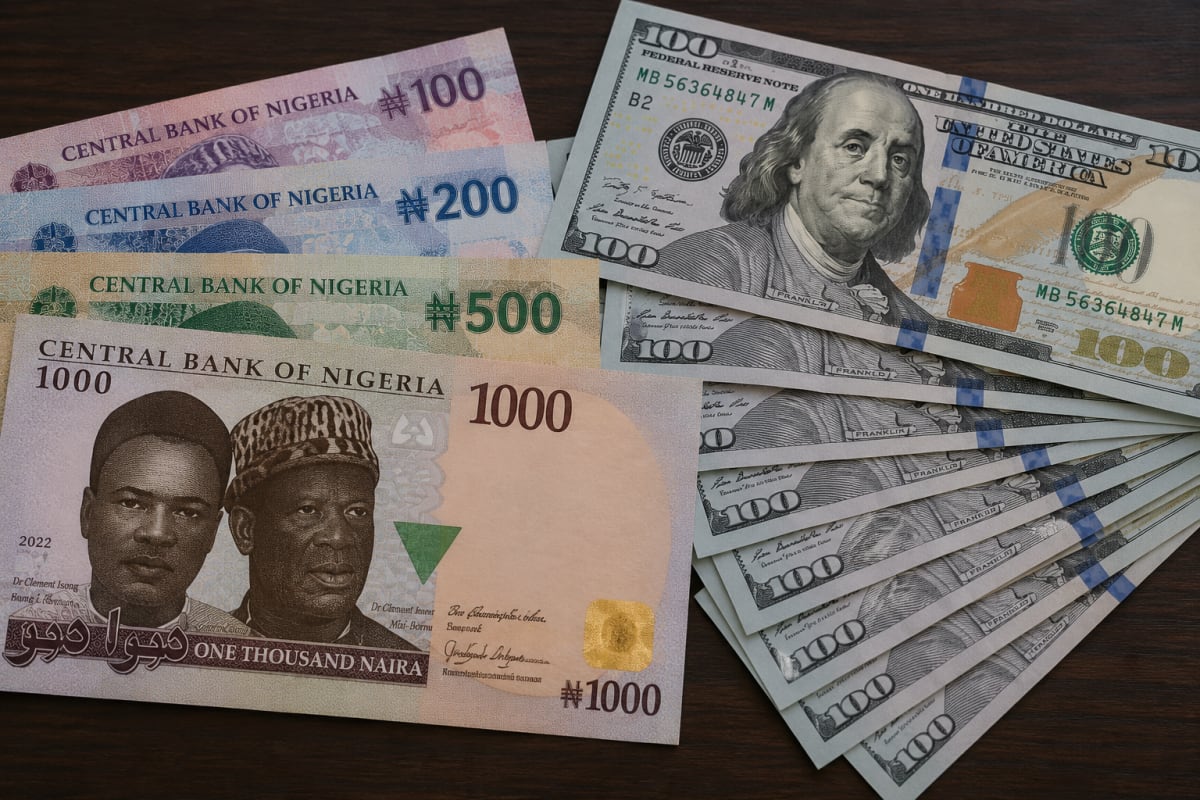
Against the British pound, the naira has had a strong July, closing the month around ₦1,814/£ — its best level of the month, and a continuation of a longer trend. The pound has fallen from roughly ₦1,950 at the start of the year to current levels, meaning anyone sending money to or from the UK, or pricing pound-denominated trade, has seen real, sustained improvement.
The Dollar Story: More Complicated
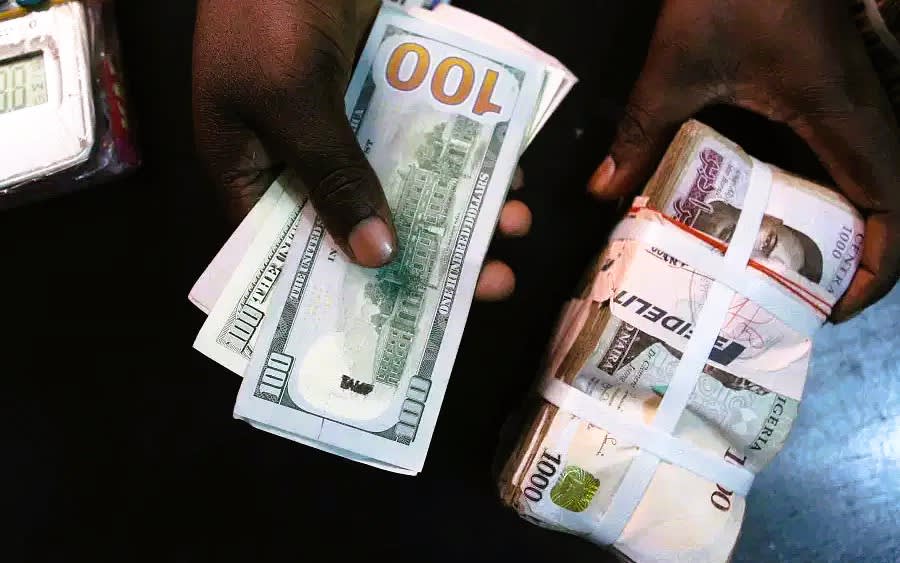
The dollar picture tells a less straightforward story. Through much of mid-July, the naira was actually appreciating at the official window — gaining marginally ahead of the CBN's Monetary Policy Committee meeting on July 21, with reserves climbing steadily throughout. But by July 28, the currency had slipped again, trading around ₦1,362-1,365 officially, with the parallel market running noticeably wider at over ₦1,410 — a gap analysts are attributing to seasonal dollar demand.
That gap between the official and parallel rates matters in practice: a business quoting prices based on the official rate today could find itself paying significantly more if it needs to source dollars informally next week, and anyone sending remittances feels even small swings acutely on larger transfers.
Why the CBN Isn't Cutting Rates
At its July meeting — the 306th MPC session — the Central Bank held its benchmark interest rate steady at 26.5% for a second consecutive meeting. This wasn't indecision; it reflects a clear policy priority. With inflation still forecast at around 15.8% for the year according to Afrinvest estimates, the CBN appears to be choosing currency and price stability over the growth-boosting effect that rate cuts typically provide — even if that means tolerating some naira softness in the near term rather than risk reigniting inflationary pressure.
The Reserves Cushion
One figure worth paying close attention to: Nigeria's external reserves have climbed to roughly $52.5 billion as of mid-to-late July, up from $50.47 billion at the end of May. That's being driven largely by crude oil-related tax receipts and third-party inflows, and it now provides close to 11 months of import cover — well above the international benchmark of just three months.
This matters beyond being a good headline number. Higher reserves give the CBN real capacity to intervene directly in the foreign exchange market during periods of volatility, which helps explain why the apex bank has been willing to hold rates steady rather than rush into cuts — it has more tools available if the naira comes under real pressure.
What This Means Going Forward
For businesses and individuals, the practical takeaway is that near-term currency planning should account for continued narrow-range movement rather than a dramatic swing in either direction — barring a major shift in global oil prices or a fresh CBN intervention. The official-to-parallel market gap, in particular, is worth watching closely if you're budgeting around foreign currency needs, since that spread has been the more volatile element recently, even as the headline official rate holds relatively steady.
The Bottom Line
The naira isn't simply "up" or "down" right now — it's stronger against the pound, mixed against the dollar, and being actively defended by a central bank sitting on its healthiest reserve position in months. That combination suggests deliberate policy management rather than either crisis or a clean recovery story, and it's worth watching how the gap between official and parallel dollar rates evolves in the coming weeks.